
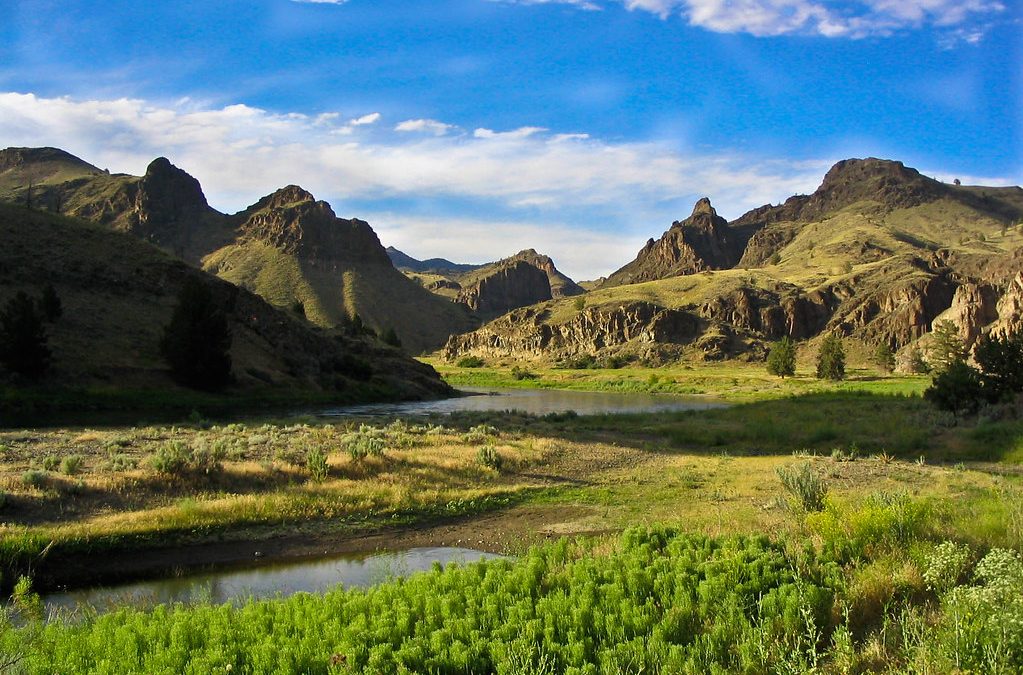
Lane County, Oregon
Willamette Valley Clay Soil is a common challenge for gardeners from Eugene to Florence. If you have ever tried to dig a hole in the middle of a rainy November or found your garden beds turning into a sticky, impenetrable brick during a July heatwave, you know exactly how frustrating this soil can be. However, this heavy soil is not a curse; it is actually a powerhouse of nutrients if you know how to manage it. By understanding the unique properties of our local earth and applying a few science-backed techniques, you can transform a stubborn plot into a productive vegetable garden.
Understanding Your Willamette Valley Clay Soil
To fix a problem, we first have to understand where it comes from. The Willamette Valley Clay Soil we deal with today was formed between 10,000 and 14,000 years ago. During the end of the last ice age, massive floods filled the valley, depositing layers of fine sediment that eventually became the heavy clay we see in our backyards according to the OSU Extension Service.
From a physical standpoint, clay particles are incredibly small. In fact, the largest clay particle is more than 1,000 times smaller than the smallest sand particle. Because these particles are so tiny and pack together so tightly, they create a soil structure that behaves very differently than sandy or loamy soil. There is a significant trade-off when gardening in this environment:
- Nutrient Retention: Because of their chemical structure, clay particles hold onto plant nutrients far better than sand does. This means your vegetables have a rich buffet of minerals available to them.
- Water Accessibility: While clay stores significant amounts of water in its fine pores, it holds that water so tightly that plants may actually struggle to access it as the soil dries out. This is why you might see plants wilting in Willamette Valley Clay Soil even when the ground feels damp.
Testing Your Soil Texture with the Hand Method
Before you spend money on amendments, you need to know exactly how much clay you are dealing with. James Cassidy, a soils instructor at OSU, recommends a simple “hand method” to determine soil texture without needing an expensive lab test. This is a great way to gauge the clay percentage of your specific plot in Eugene or Springfield.
Step-by-Step Hand Method:
- Dig down about 6 to 8 inches to reach the mineral layer of the soil.
- Take a handful of soil and add enough water to make it moist, but not muddy.
- Squeeze the soil in your hand and attempt to roll it into a ribbon or a cylinder.
- Measure the length of the ribbon you can create before it breaks.
The rule of thumb is that each inch of ribbon equals roughly 10% clay. For example, if you can roll a 4-inch ribbon, your soil is approximately 40% clay. This information helps you decide how aggressive you need to be with your organic amendments.
Improving Willamette Valley Clay Soil with Organic Matter
The most effective way to improve Willamette Valley Clay Soil is the consistent addition of organic matter. This process doesn’t happen overnight; it is a long-term investment in your land’s health. Linda Brewer, a senior faculty research assistant at OSU, suggests a specific approach to applying these materials.
Instead of digging amendments deep into the earth, which can disrupt the soil biology, spread two to three inches of organic amendments on top of your garden beds. Recommended materials include:
- Compost: The gold standard for adding nutrients and improving structure.
- Leaf Mold: Decomposed leaves that improve aeration.
- Bark: Great for long-term carbon addition.
- Manure: A high-nitrogen boost for growing plants.
A Critical Warning on Sand: Many gardeners mistakenly believe that adding sand to clay will create loam. This is a myth. No amount of sand added to clay soil will change its fundamental texture. In fact, rototilling sand into clay can align the particles like a potter’s wheel, potentially making the soil even more compact and worsening your drainage issues.
Timing Your Nitrogen: Be mindful of when you apply these materials. Fresh organic matter can temporarily “tie up” nitrogen because the microorganisms breaking down the material use the same nutrients the plants need. To avoid this, apply low-nitrogen materials like wood chips in the fall. Conversely, manure is high in nitrogen and should only be applied when roots are actively growing to absorb it. In our high-rainfall Lane County winters, fall manure applications often wash away before the spring planting season begins.
Tillage Practices and Tools for New Garden Plots
When starting a new vegetable plot in Willamette Valley Clay Soil, the tool you choose matters. While the temptation to use a gas-powered rototiller is strong, it may do more harm than good. James Cassidy advises a “minimum tillage” approach.
Using a garden fork is often superior to a rototiller. Rototilling can destroy the natural soil pores that are essential for water infiltration and drainage. By using a fork to gently lift and loosen the soil, you preserve these channels. If you must use a tiller, timing is everything. You must till when the soil moisture is exactly right. To test this, squeeze a handful of soil; if it breaks apart easily, it is ready. If it is too hard to break, it is too dry; if it clumps like dough, it is too wet.
Using Cover Crops for Long-Term Soil Health
For those looking for a more sustainable, biological way to break up Willamette Valley Clay Soil, cover cropping is the answer. This involves planting specific crops not for harvest, but to improve the soil structure via their root systems.
What to Plant: From mid-August to mid-September, plant a mix of the following:
- Annual Rye Grass or Winter Wheat: These have aggressive root systems that punch through clay.
- Austrian Field Peas or Fava Beans: These legumes add vital nitrogen back into the soil.
The Process: Let these crops grow through the winter. In the spring, cut the cover crops before they set seed. Leave the residue on the surface to rot before you incorporate it into the soil. If you commit to this annual process, you will see significant improvements in drainage and soil life in approximately five years. Remember, a single pinch of healthy soil contains roughly a billion microorganisms working to keep your garden thriving.
Advanced Amendments and Water Infiltration
Sometimes, organic matter alone isn’t enough for the most stubborn patches of Willamette Valley Clay Soil. In these cases, a few chemical assists can help.
Gypsum (Calcium Sulfate): Gypsum can help clay particles aggregate, which improves the overall structure and allows water to move through the soil more freely.
Surfactants: In the peak of a dry Lane County summer, clay can become hydrophobic, meaning water simply beads up on the surface. Ammonium lauryl sulfate is a surfactant that helps water penetrate dry clay, making it much easier to aerate the soil and get moisture to the roots.
Local Resources and Permit Checks
If you are ready to start your project, you can find organic amendments and compost at various garden centers across Eugene and Springfield. For those looking for inspiration on what to grow alongside their vegetables, we recommend choosing native plants for an Eugene yard to support local pollinators. You can also visit Eugene farmers markets to find locally adapted seeds and talk to other growers about their experiences with our local dirt.
Permit Check: While most vegetable gardening doesn’t require permits, be aware of local Eugene and Springfield building codes if you plan to build permanent, large-scale raised bed structures or install extensive irrigation systems that tie into the main city lines. Always check with your local planning department for any structures that might be considered permanent additions to your property.
Project Summary:
- Difficulty Rating: Moderate (requires patience and physical labor).
- Time Commitment: Ongoing (annual amendments over 5 years).
- Estimated Cost: $50 – $200 depending on the volume of compost and cover crop seeds purchased.