
Eugene, Oregon
Eugene Native Plants are the most sustainable choice for homeowners looking to enhance their outdoor spaces while supporting the local ecosystem. In the southern Willamette Valley, we deal with a unique combination of heavy clay soils, wet winters, and increasingly hot, dry summers. Choosing plants that evolved in this specific environment means your garden is better equipped to handle these fluctuations. According to the City of Eugene, these species generally require less water and care than non-native species, provided they are planted in the appropriate sunlight and soil moisture conditions.
The Benefits of Choosing Eugene Native Plants
When we prioritize Eugene Native Plants, we are doing more than just simplifying our yard work. Native species have a symbiotic relationship with the local wildlife, providing essential food and shelter for pollinators and birds. Because they are adapted to the Willamette Valley, they are naturally resistant to many of the pests and diseases that plague imported ornamental plants.
One of the biggest challenges for Eugene gardeners is the clay soil, which can hold onto water during the winter and bake hard during the summer. Native plants have root systems designed to navigate these conditions. By selecting the right species, you can reduce your reliance on chemical fertilizers and intensive irrigation, creating a landscape that feels like a natural extension of the surrounding Oregon wilderness.
Assessing Your Yard Habitat
Before you head to the nursery, you must evaluate your property to determine where you have riparian or upland conditions. The Natural Area Tree and Shrub Planting Guide emphasizes that matching species to existing habitat conditions is critical for long-term success.
- Riparian (Wetter) Areas: These are low-lying spots in your yard where water collects after a rainstorm or areas near streams and ponds. Plants here need to tolerate “wet feet” and high soil moisture.
- Upland (Drier) Areas: These are higher ground areas, slopes, or spots with sandy, well-drained soil. These plants must be able to withstand the summer drought without constant supplemental watering.
Some Eugene Native Plants have a wide range of tolerance for both sun exposure and moisture, but most prefer a specific niche. Taking the time to map your yard’s drainage patterns will ensure that your investment survives the first few seasons.
Selecting Evergreen Eugene Native Plants
Evergreens provide essential winter structure and year-round privacy. When browsing for Eugene Native Plants that stay green, consider these options:
- Ponderosa Pine (Pinus ponderosa): This is a large, drought-tolerant conifer that thrives in full sun. It is particularly valuable as a butterfly host plant.
- Douglas Fir (Pseudotsuga menziesii): The iconic tree of the Pacific Northwest, providing massive scale and deep green foliage.
- Western Red Cedar (Thuja plicata): Ideal for those seeking a dense screen or a shaded, moist area.
- Incense Cedar (Calocedrus decurrens): A fragrant and hardy choice for the valley.
- Pacific Madrone (Arbutus menziesii): Known for its striking reddish bark and waxy leaves, it prefers well-drained sites.
- Grand Fir (Abies grandis): Another strong evergreen option for the local climate.
Choosing Deciduous Trees and Shrubs
Deciduous plants offer seasonal color and are often the most critical for supporting local biodiversity. When selecting Eugene Native Plants that shed their leaves, consider the following:
The Oregon white oak (Quercus garryana) is one of the most important habitat trees in the region. It is slow-growing and serves as a host for many butterfly species. However, it requires full sun and dry, well-drained soil to thrive.
For wetter areas, you have a few distinct alder options. The red alder (Alnus rubra) is a fast-growing, nitrogen-fixing riparian tree that requires significant moisture and grows well in full sun to partial shade. In contrast, the white alder (Alnus rhombifolia) is common along Eugene waterways and is more tolerant of drier conditions than its red counterpart.
Other excellent deciduous choices include:
- Vine Maple (Acer circinatum): Great for understory planting and autumn color.
- Big Leaf Maple (Acer macrophyllum): Provides massive shade and impressive foliage.
- Pacific Dogwood (Cornus nuttallii): Prized for its beautiful white blooms.
- Oregon Ash (Fraxinus latifolia): A sturdy choice for moist sites.
- Western Crab Apple (Malus fusca), Bitter Cherry (Prunus emarginata), and Choke Cherry (Prunus virginiana): These provide essential fruit and nectar for local wildlife.
Timing Your Planting Season
Timing is everything when establishing Eugene Native Plants. The recommended planting window in Eugene is from November 1 through March 15.
Planting in the fall, immediately after the seasonal rains begin, is considered ideal. This allows the plants to establish their root systems in the moist soil before the heat and drought of the summer months arrive. If you plant in the middle of July, you will likely spend the entire summer fighting to keep the plant alive with a hose.
However, there are a few warnings to keep in mind. It is not recommended to plant when temperatures are near or below freezing. Similarly, avoid planting during unseasonably hot spikes in the late winter or early spring, as this can stress the young root systems.
Practical Implementation and Local Codes
Before you begin your project, it is wise to perform a permit check. While planting a few shrubs usually doesn’t require paperwork, larger projects or the removal of established trees in Eugene and Springfield may be subject to local city codes. Always check with your local planning department if you are removing significant vegetation.
For a small-scale native conversion (approximately 100 square feet), here is a rough estimate of materials and costs:
- Native Seed Mix or 5-Gallon Pots: $50 – $150
- Organic Mulch (to suppress weeds): $30 – $60
- Organic Compost/Soil Amendment: $20 – $40
- Basic Tools (Shovel, Rake): $40 (if not already owned)
- Estimated Total: $140 – $290
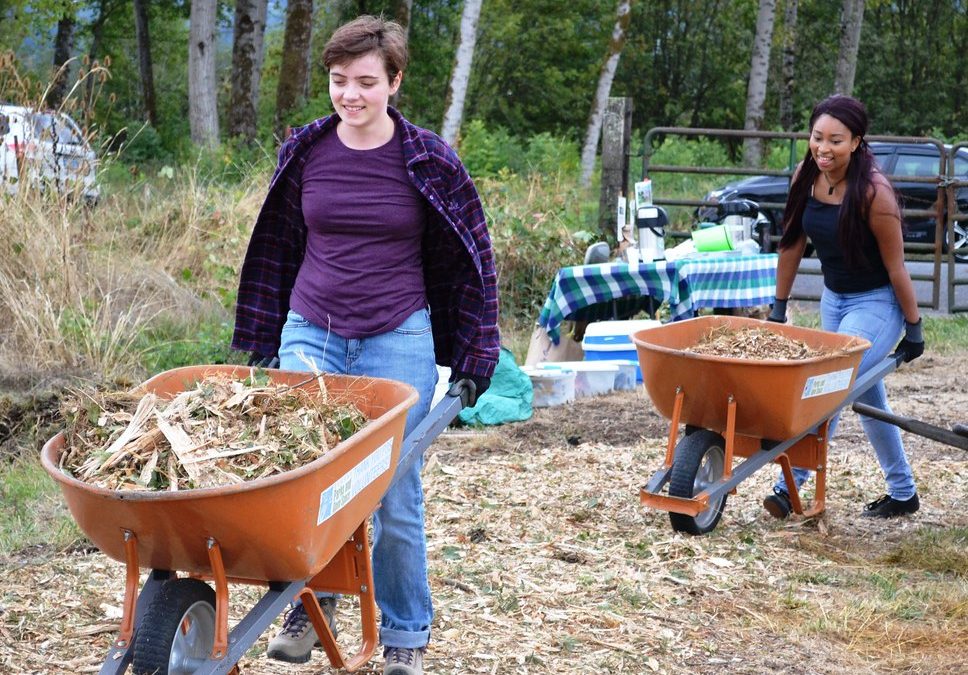
If you are interested in larger-scale efforts, the City of Eugene Parks and Open Space oversees the planting of hundreds of native trees and shrubs every year in city parks and natural areas. These are often organized through volunteer events, which are a great way to learn the ropes of native planting.
Local Resources for Native Species
To find the best Eugene Native Plants, we recommend visiting local native plant nurseries. These specialists can provide specific advice on which cultivar of a native species will work best for your specific street or neighborhood.
While you are out exploring the natural beauty of Lane County, you might consider taking a trip to see these plants in the wild. For example, a visit to Sweet Creek Falls: A Family-Friendly Hike Along the Homestead Trail allows you to see riparian species in their natural habitat. If you are looking for more ways to engage with the community during the off-season, check out the Lane County Summer Reading Guide: Local Authors and Bookstores 2026 for local literature and guides on Oregon ecology.
Sources
This guide was compiled using the following official resources: