
Lane County, Oregon — July 29, 2026
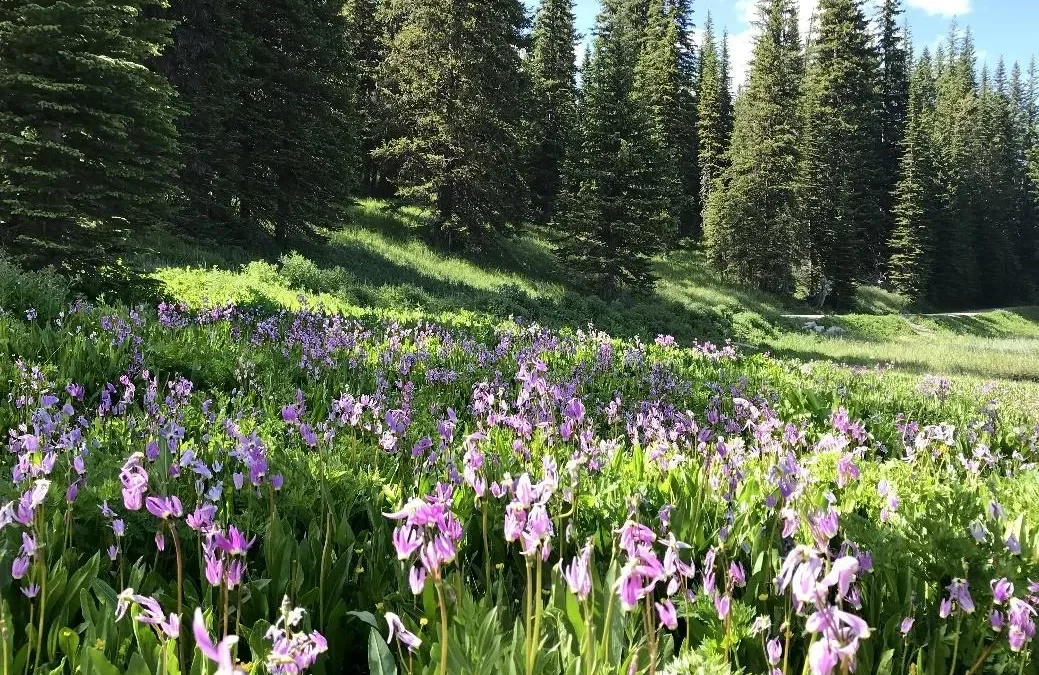
Lane County Wildflowers defined the 2027 spring season with a vibrant display of color that stretched from the fertile Willamette Valley to the rugged Oregon Coast. The peak window for these blooms occurred from April through June, creating a shifting tapestry of flora that moved across the landscape as temperatures rose. We spent the season tracking the transition of colors, starting with the early yellow heralds of March and ending with the late-season coastal blooms that lingered into the early summer heat.
A Retrospective of Lane County Wildflowers in Spring 2027
The atmosphere of the 2027 spring season was one of renewal and vivid contrast. For those of us living in the valley, the transition began slowly in the lowlands and climbed toward the Cascades. The general timing window for Lane County Wildflowers followed a predictable yet magical pattern, where the valley floor awakened first, followed by the Coast Range, and finally the high-elevation areas as the snow receded. This progression allowed local enthusiasts to travel across the county, following the bloom from the riverbanks of the Willamette to the salty cliffs of Florence.
Early Blooms and Valley Traditions
The season kicked off with a cherished March tradition. Many of us took to the country roads around Junction City, cruising through the valley to admire the wild daffodils. These yellow blooms, which often appear alongside country roads and across farmers’ fields, served as the first real signal that winter was fading. It was a simple, community-driven way to welcome the spring before the more complex blooms arrived.
As April arrived, the landscape shifted toward deeper hues. We saw purple camas and pond lilies budding in the low wetland areas of the Willamette Valley. This period was also the prime time for visiting Wild Iris Ridge, where the wild iris concentrated in stunning clusters. The contrast of the purple iris against the emerging green of the valley provided some of the most photographed moments of the 2027 season.
Top Spots for Viewing Lane County Wildflowers
Several locations stood out as the premier destinations for viewing Lane County Wildflowers this year. Based on accessibility and the density of blooms, here were the top ranked picks:
- Mount Pisgah Arboretum: Located off Seavey Loop Road south of Springfield, this 200-acre preserve offered some of the earliest sightings. The low-elevation trails near the river were alive in March with spring beauties, osoberry (also known as Indian plum), and early trilliums.
- Dorris Ranch: At the south end of Second Street in Springfield, the 2.4-mile loop provided a serene experience. We walked through an old hazelnut orchard before reaching the banks of the Middle Fork Willamette River, where various spring species flourished.
- The Coast Range: While the Cascades were often still locked under snow in April, the Coast Range was in full swing. We observed a wealth of trilliums, salmonberry blooms, and the distinct, pungent skunk cabbage in the damp forest floors.
Coastal Colors and Rare Species in Florence
The coastal experience offered a completely different palette of Lane County Wildflowers. In Florence, the flora was shaped by the salt spray and sandy soils. One of the most fascinating stops was the Darlingtonia Wayside. This state park is dedicated to the preservation of the Darlingtonia californica, or cobra lily. This carnivorous plant sent up its single nodding flowers during the spring, drawing crowds of curious visitors to see this rare botanical wonder.
Along the coastal cliffs and near the lakes of Florence, we spotted the bright colors of beach pea and sand lupine. For those seeking a quiet walk, the 1.3-mile loop at Sutton Creek provided an excellent opportunity to see coastal flowers. The trail, located 5 miles north of Florence on Highway 101, led us across a footbridge and offered a peaceful environment to observe how these hardy species thrive in the wind-swept environment.
Community Celebrations of Lane County Wildflowers
The beauty of the season was matched by the community events that celebrated it. In May, the Mount Pisgah Arboretum hosted its annual Wildflower Festival. This event was a highlight for local botanists and hobbyists alike, featuring guided wildflower walks, educational exhibits, and plant workshops that helped us understand the ecology of our region. It was a wonderful way to connect the physical act of hiking with the scientific study of the land.
Simultaneously, the city of Florence held its historic Rhododendron Festival. This tradition, which has existed since 1908, brought the community together for a street fair, a car show, and a 5 K run. The crowning moment was the Rhododendron Floral Parade, where the beauty of the local blooms was showcased in elaborate floats, celebrating the floral identity of the coast.
Botanical Diversity and Ethics
The 2027 season highlighted an incredible amount of botanical diversity. Beyond the famous lilies and iris, we encountered a wide array of species, including coast fawn lilies, cut-leaved goldthread, flowering currant, Hartwig’s wild ginger, Indian plum, Oregon grape, Oregon fawn lilies, Oregon fetid adder’s tongue, Oregon selaginella, Marshall’s saxifrage, saucer bishops cap, spring gold, violets, and western wood anemone. The sheer variety of Lane County Wildflowers serves as a reminder of the health of our local ecosystems.
However, with the popularity of these blooms comes the responsibility of preservation. We emphasize the importance of trail etiquette—staying on marked paths to avoid crushing delicate seedlings and resisting the urge to pick wildflowers. Preserving these native species ensures that future generations can enjoy the same vistas. For those who want to bring this beauty into their own space, we recommend reading our guide on How to Choose Native Plants for an Eugene Yard to support local biodiversity at home.
Connecting the Season to Local Recreation
The search for Lane County Wildflowers often led us to discover other gems of the region. Many of our wildflower excursions doubled as opportunities to explore the broader outdoor recreation available in Lane County. For instance, those venturing south for blooms often found themselves visiting the Tire Mountain Trail: A Quick Forest Escape South of Eugene, combining botanical sightings with a refreshing forest hike.
Whether it was a family-friendly stroll through the arboretum or a more rugged trek through the Coast Range, the 2027 spring season reminded us that the best way to experience our county is on foot. The intersection of seasonal beauty and physical activity creates a sense of place that is unique to the Willamette Valley and the surrounding mountains.