
Lane County, Oregon — August 6, 2026
Fall Creek Reservoir provided a serene escape for those looking to leave the city behind during the 2026 season. Located approximately 30 miles southeast of Eugene, this recreation area served as a quiet retreat in the western Cascade foothills, offering a mix of water activities and forest exploration. The 2026 season was highlighted by an early opening of the Winberry area on April 17, 2026, which allowed early-season visitors to enjoy the landscape before the peak summer crowds arrived. Most of the park units, including Winberry, Free Meadow, and Lakeside 1 and 2, operated on a seasonal window from May 1 through September 30, while the North Shore area remained accessible from April 1 through October 30.
Trail Summary
- Length: Variable (Reservoir loop and National Recreation Trail)
- Elevation Gain: Low to moderate depending on trail choice
- Difficulty: Easy to Moderate
- Surface: Paved roads, dirt paths, and forest soil
- Trailhead: Fall Creek State Recreation Site official site
Accessing the Fall Creek Reservoir Recreation Area
Getting to the Fall Creek Reservoir involved a scenic drive east of Lowell, winding into the foothills of the Cascades. One of the most welcoming aspects of the site during the 2026 season was the accessibility for all visitors. Entry remained free, and unlike many other high-traffic spots in the region, no Oregon day-use permit was required to enter the recreation area. This made it an ideal spot for spontaneous day trips or for those who wanted to avoid the administrative hassle of permits while exploring Lane County.
The drive itself provided a transition from the Willamette Valley’s open fields into the dense canopy of the foothills. Because the site is open year-round, it remained a steady draw, though the best conditions were consistently found between May and October. Visitors in 2026 noted that the lack of entry fees made the Fall Creek Reservoir one of the most budget-friendly outdoor destinations in the region.
Paddling and Fishing Highlights at Fall Creek Reservoir
The water activities at Fall Creek Reservoir were a primary draw throughout the year. Because the reservoir is designed for flood control, the water often remained calm, creating a mirror-like surface that was ideal for non-motorized boating. Kayaking and canoeing were particularly popular, as the still waters allowed paddlers to explore the shoreline without battling heavy currents or wind.
Fishing success was also a highlight of the 2026 season. Anglers reported consistent luck with several species, including:
- Rainbow Trout: A favorite for those fishing in the cooler early spring waters.
- Largemouth Bass: Often found lurking near the shoreline structures and submerged vegetation.
- Bluegill: A popular choice for families and those introducing children to the sport of fishing.
While motorized boating was permitted, the quiet atmosphere of the Fall Creek Reservoir encouraged a slower pace. Many visitors spent their days drifting along the edges of the reservoir, enjoying the silence of the surrounding forest and the occasional sight of local wildlife.
Exploring the Fall Creek National Recreation Trail
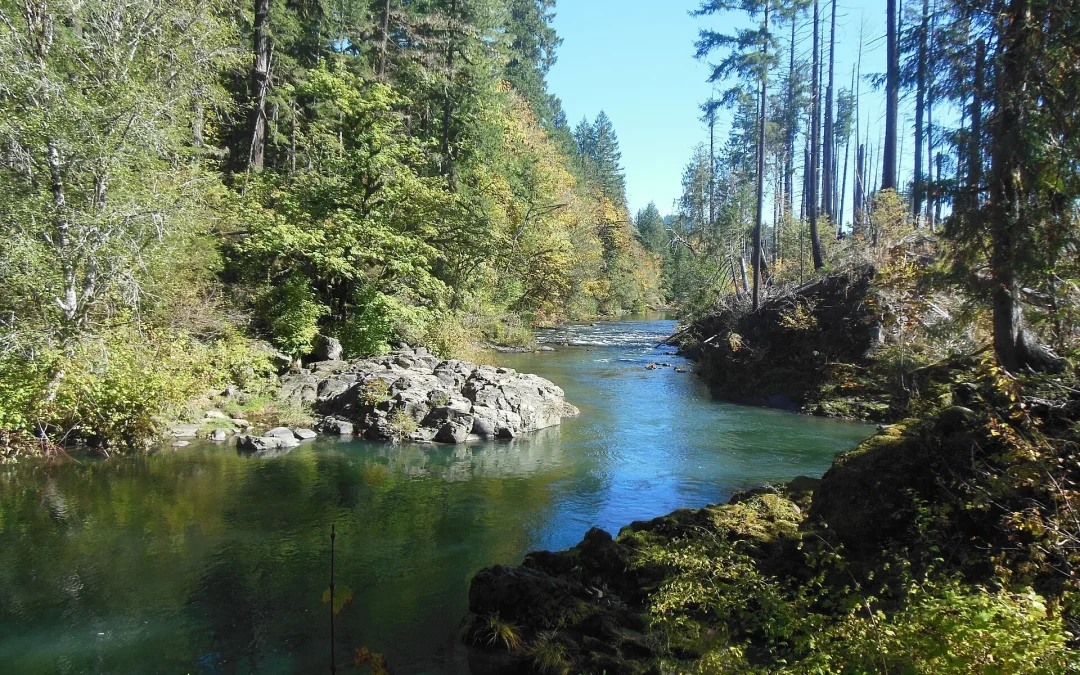
Beyond the water, the adjacent Willamette National Forest offered a different kind of adventure. The Fall Creek National Recreation Trail provided a lush hiking experience that contrasted with the open vistas of the reservoir. This trail followed Fall Creek upstream for several miles, leading hikers through towering stands of old-growth Douglas fir and western red cedar.
The 2026 hiking experience was defined by the sound of rushing water and the shade of the massive canopy. Along the way, visitors encountered several footbridges that crossed the creek, providing stable passage over the rocky terrain. One of the most rewarding aspects of this trail was the discovery of clear swimming holes. These natural pools offered a refreshing dip for those willing to trek away from the main reservoir area.
However, the trail was not without its challenges. Some sections of the forest remained closed due to previous wildfire impacts, reminding visitors of the fragile nature of the Cascade ecosystem. Despite these closures, the available portions of the trail remained a sanctuary for those seeking the deep, damp scent of a classic Oregon forest.
Seasonal Conditions and 2026 Environmental Notes
Understanding the water levels was key to enjoying the Fall Creek Reservoir in 2026. As a reservoir managed for flood control, the water levels fluctuated significantly. The reservoir was typically fullest in late spring and early summer, making that window the prime time for boating and swimming. As the summer progressed, the shoreline receded, changing the landscape and the accessibility of certain launch points.
Environmental conditions shifted as the season peaked. On August 3, 2026, fire restrictions became effective across the area. These restrictions were critical given the proximity to the National Forest and the dry conditions of the late summer. Visitors were required to adhere to strict guidelines regarding campfires and smoking to prevent wildfires in the dense timber.
Additionally, a permanent quarantine zone advisory, which had been in place since September 9, 2025, remained active. This advisory was designed to protect the local plant life from invasive pests and diseases, requiring visitors to be mindful of the materials they brought into the forest. Climate data from the nearby Lookout Pt Dam indicated that summer temperatures typically ranged from 51 to 80 degrees Fahrenheit, making the cool waters of the Fall Creek Reservoir a necessary refuge during the August heat.
Comparing Local Lane County Escapes
When compared to other regional spots, the Fall Creek Reservoir offered a middle ground between a casual park visit and a rugged wilderness trek. For those who found the reservoir too quiet and wanted more strenuous activity, the Wolf Rock Scramble provided a much more intense physical challenge with its volcanic monolith climb.
For those who enjoyed the forest canopy and water features of Fall Creek but wanted a different set of trails, the Brice Creek Trails guide offered an excellent alternative for hiking and biking in the Umpqua National Forest. While Brice Creek focused more on canyon views and water falls, the Fall Creek Reservoir remained the go-to for those who wanted to combine a hike with a long afternoon of paddling or fishing.
History and Management of the Site
The existence of the Fall Creek Reservoir is the result of significant engineering from the mid-20th century. The Fall Creek Dam was completed in 1966 by the U.S. Army Corps of Engineers. The primary purpose of the project was flood control, protecting the downstream areas of the Willamette Valley from the volatile nature of the mountain runoff.
Over the decades, the project evolved from a purely functional piece of infrastructure into a beloved community asset. The creation of the reservoir allowed for the development of the six park units that visitors enjoyed in 2026. Water management changes, such as those noted in December 2021, continued to refine how the reservoir operates to balance flood safety with recreational use.
To ensure the longevity of the area, the managing agencies emphasized a leave-no-trace philosophy. Visitors in 2026 were encouraged to pack out all trash and respect the wildlife corridors that intersect the recreation areas. By following these guidelines, the community helped maintain the quiet, pristine character that makes the Fall Creek Reservoir a standout destination in Lane County.
Sources
For more information and the most current schedules, please visit the official festival resources: