
Eugene, Oregon
Finding a moment of peace in the heart of the city is easier than most people think. For those living in Lane County or visiting the downtown core, the Skinner Butte Loop provides a perfect blend of urban convenience and natural beauty. This trail allows you to step away from the pavement and climb a forested basalt prominence that offers some of the best vistas of the Willamette Valley without ever leaving the city limits.
Whether you are a local looking for a morning stroll or a visitor wanting to see Eugene from a new perspective, this path is an accessible, year-round escape. The contrast is striking : one moment you are walking past downtown architecture, and the next you are under a canopy of trees on a volcanic ridge. It is an ideal choice for families, casual walkers, and anyone who appreciates a bit of history mixed with their outdoor recreation.
Skinner Butte Loop — Trail Summary and Quick Facts
- Length : 3.1 miles
- Elevation Gain : 270 feet
- High Point : 682 feet
- Difficulty : Easy
- Surface : Mixed terrain / Forested paths
- Best Season : Year-round
- Crowds : Often crowded due to urban location
- Family Friendly : Yes
Access, Parking, and the Skinner Butte Loop Route
Getting started on the Skinner Butte Loop is straightforward. The journey typically begins at the Pearl Street Trailhead, which puts you right in the center of the action. Because the trail is so close to the downtown core, it is a great opportunity to support local businesses before or after your hike. For instance, you might stop by Sweet Life Patisserie for a treat to fuel your climb.
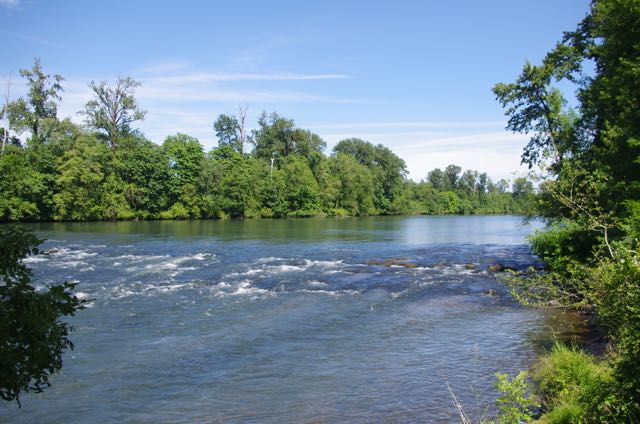
The route is designed as a circuit that eventually leads you toward the beautiful Owen Rose Garden. Parking is available near the trailhead, though many locals choose to walk or bike to the start point given its central location. The proximity to the Willamette River and downtown amenities makes this one of the most convenient hiking experiences in Lane County.
Elevation and Terrain : Climbing the Basalt Butte
The Skinner Butte Loop takes you up a forested basalt prominence. While the overall difficulty is rated as easy, the climb to the summit provides a steady workout with 270 feet of elevation gain. The terrain is primarily composed of volcanic rock and soil, typical of the region’s geological history.
Hikers should be mindful of the local flora. Poison-oak is present along the hike, so it is important to stay on the marked trails to avoid skin irritation. The canopy provides decent shade, but the exposed basalt sections can get warm during the peak of the Oregon summer.
Historic Landmarks Along the Way
One of the most rewarding aspects of this hike is the rich history embedded in the landscape. As you navigate the butte, you will encounter the Shelton Mc Murphey Johnson House. Built in 1888, this Gothic mansion is affectionately known as the “Castle on the Hill” and is named after the three families who owned the property over time.
The butte is also tied to the very founding of the city. Eugene Skinner arrived in Oregon in 1846 and claimed this land on the south bank of the Willamette River. His wife and daughter joined him via the Applegate Trail in 1847. By 1848, Skinner and Judge Risdon platted the town, using the top of the basalt prominence to mark the north-south meridian toward Spencer Butte. It was Skinner’s wife, Mary, who named the settlement “Eugene City.” Visitors can see a replica of the original Skinner Cabin located on the west side of the butte.
You will also notice the Ya-Po-Ah Terrace Retirement Apartments. This 18-story building, constructed in 1968, became a flashpoint for local activism. The public protest against its height led to the creation of laws restricting building heights in Eugene to preserve the city’s skyline. Interestingly, “Ya-Po-Ah” is the Kalapuyan name for the butte, meaning “very high place.”
Summit Views and Recreation
Reaching the summit of the butte rewards you with a panoramic vista overlooking most of Eugene south of the Willamette River. The top features a reservoir and several points of interest, including the Big O and a side trail leading to the Big E. For those interested in more rugged activity, The Columns provides a natural climbing wall located near the site of the original Skinner cabin.
While this is a gentle climb, it serves as a great warm-up for those who want to tackle more challenging local terrain. If you enjoy the views here, you might eventually want to try the Spencer Butte Loop for a more strenuous hike with even higher vistas.
What to Know Before You Go
Because the Skinner Butte Loop is so accessible, it can get crowded, especially on weekends and during the spring bloom. To have the best experience, consider visiting early in the morning or on a weekday. Always remember to respect the managing agency’s guidelines and keep the environment pristine by packing out all trash.
Stay on the marked paths to protect the fragile basalt environment and avoid the poison-oak. Whether you are visiting for the history, the exercise, or the view, this urban gem is a testament to Eugene’s commitment to integrating nature into the city grid.