
Published November 15, 2026
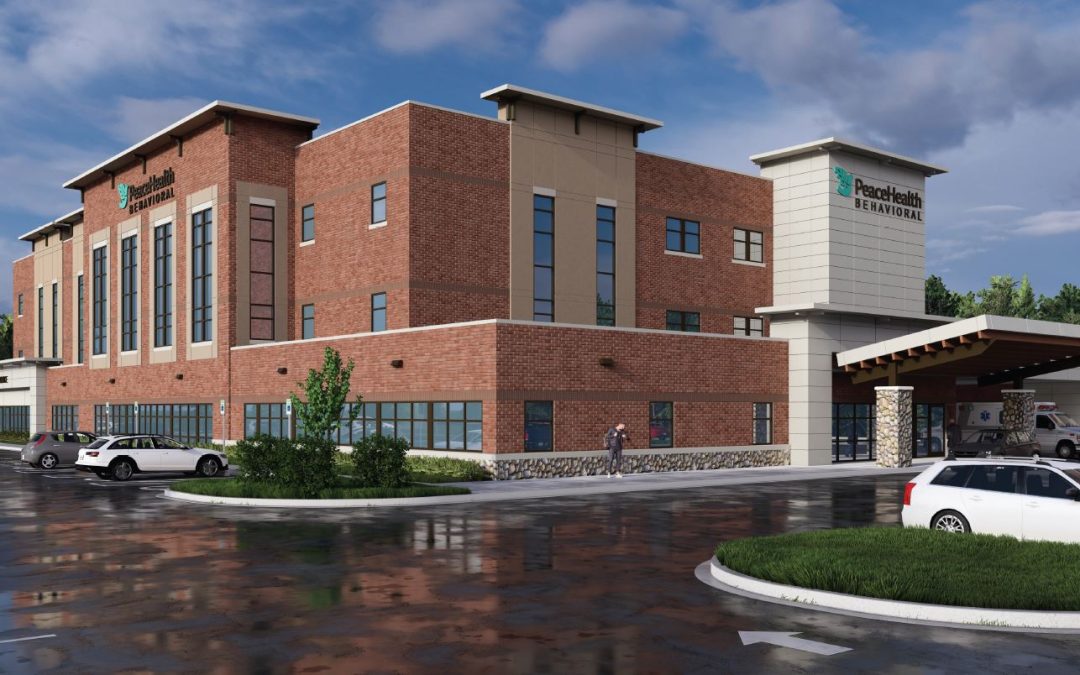
In November 2026, the Springfield City Council unanimously approved the annexation of land on International Way for a new behavioral-health campus. This development includes a 24/7 mental health crisis stabilization center and the Timber Springs Behavioral Health Hospital.
Lane County took a significant step toward expanding behavioral health access this autumn. On November 2, 2026, the Springfield City Council voted unanimously to approve the annexation of property on International Way, clearing the path for a specialized campus dedicated to mental health and crisis intervention. This decision follows months of discussion regarding land use and city service requirements for the site.
The development of this campus is a collaborative effort between Lane County and Peace Health. By establishing a dedicated mental health crisis center in Springfield, local officials aim to create a more efficient system for treating residents in distress, reducing the burden on emergency rooms and the local justice system.
Annexation Approval for the Springfield Campus
The property located off International Way, near the Peace Health River Bend hospital, was originally purchased by Lane County. To facilitate the project, the county sold a portion of the land to Peace Health. However, because the site sat outside the official Springfield city limits, it lacked access to essential municipal infrastructure. This created a logistical hurdle for the development of a high-capacity medical campus.
Annexation was required to ensure the site could be properly served by Springfield police, fire, and municipal water services. While there was initial uncertainty in September 2026, when some councilors signaled they might deny the request, the city eventually moved toward a resolution. The unanimous vote on November 2 officially brought the land into the city, allowing the planned facilities to proceed with the necessary safety and utility support.
The Role of the Mental Health Crisis Center
The centerpiece of the county’s effort is the crisis stabilization center. This facility is designed to be the first of its kind in Oregon, providing a critical bridge between outpatient care and long-term hospitalization. Unlike traditional clinics with limited business hours, this center will offer walk-in services 24 hours a day, seven days a week.
The stabilization center will focus on immediate needs for adults and youth experiencing mental health crises. Key services will include:
- Short-term crisis support to stabilize patients in acute distress.
- Medication refills to prevent lapses in treatment that often lead to emergencies.
- An observation unit specifically for individuals who are at high risk of hospitalization but may not require a full inpatient stay.
Integration with Timber Springs Behavioral Health Hospital
The campus is designed as a continuum of care, meaning patients can move through different levels of treatment without leaving the site. Adjacent to the stabilization center will be the Timber Springs Behavioral Health Hospital, a separate inpatient facility operated by Peace Health.
Reports indicate that Timber Springs will feature between 89 and 96 beds, serving both adults and children. The integration of these two facilities is a strategic move; if a patient arrives at the stabilization center and is determined to need a higher, more intensive level of psychiatric care, they can be transferred directly to the Timber Springs hospital. This seamless transition reduces the trauma and logistical difficulty of moving patients between different providers during a crisis.
Funding and Operational Partnerships
Securing the financial backing for such a large-scale project required significant coordination. Lane County has secured approximately $44 million in funding to bring the stabilization center to fruition. This investment reflects the urgent need for behavioral health infrastructure in the Willamette Valley.
Beyond the construction, the county has focused on long-term operational success. Connections Health Solutions has been selected as the operator for the stabilization center. By partnering with an experienced provider, the county aims to ensure that the 24/7 walk-in model is staffed with qualified professionals capable of handling complex psychiatric emergencies.
Community Impact and Local Benefits
The benefits of the International Way campus extend beyond patient care to the broader Springfield and Eugene economies. Eve Gray, the Lane County Health and Human Services Director, estimated that the combined facilities could create approximately 275 jobs. These roles will span from clinical psychiatric staff and nurses to administrative and support personnel.
There is also a significant projected benefit for the regional healthcare system. Currently, many individuals in mental health crises end up in the emergency department at River Bend because there are few other 24-hour options. It is estimated that the new stabilization center could reduce emergency department wait times at River Bend by about 45 minutes, freeing up critical resources for medical emergencies while providing psychiatric patients with a more appropriate environment for healing.
Diversion from Jail to Treatment
One of the most vital aspects of the new center is its relationship with law enforcement. Historically, people experiencing mental health crises have often been arrested or taken to jail when no immediate treatment beds were available. This cycle of incarceration often exacerbates mental illness and fails to address the root cause of the crisis.
The stabilization center is specifically designed to accept involuntary admissions from law enforcement. This allows officers to divert individuals in crisis away from the jail system and directly into a clinical setting. By prioritizing treatment over incarceration, the county hopes to reduce recidivism and provide a more humane response to mental health emergencies.
Next Steps for Lane County Residents
With the annexation approved, the project has cleared its most significant regulatory hurdle. However, we should note that while the land is now officially part of the city, specific construction start dates and expected opening months for the facilities were not provided in the available research. Residents will need to watch for official announcements from Lane County and Peace Health regarding the groundbreaking and hiring phases.
For those planning to visit the International Way area or commute toward the new campus site in the coming months, it is a good time to review the LTD Service Changes: Fall 2026 Schedule Updates to ensure your transit routes are current. Staying informed about local infrastructure is as important as knowing how to access basic services, such as learning how to get a library card at Eugene Public Library for local research and resources.
As the project moves from the planning and annexation phase into physical development, the Springfield community can look forward to a new standard of care for behavioral health. The transition from a fragmented system to a centralized campus represents a major shift in how Lane County handles its most vulnerable populations.
Frequently Asked Questions
What services will the new stabilization center provide?
The center will offer 24/7 walk-in care, including medication refills, short-term crisis support, and an observation unit for those at risk of hospitalization.
How does the center interact with law enforcement?
The facility is expected to accept involuntary admissions from law enforcement to ensure people in crisis receive treatment instead of being sent to jail.
What is the relationship between the stabilization center and Timber Springs?
The two facilities are designed to operate in tandem, allowing patients who require a higher level of care to transfer directly from the stabilization center to the Timber Springs hospital.
Sources
For more information, see: