
Published September 29, 2026
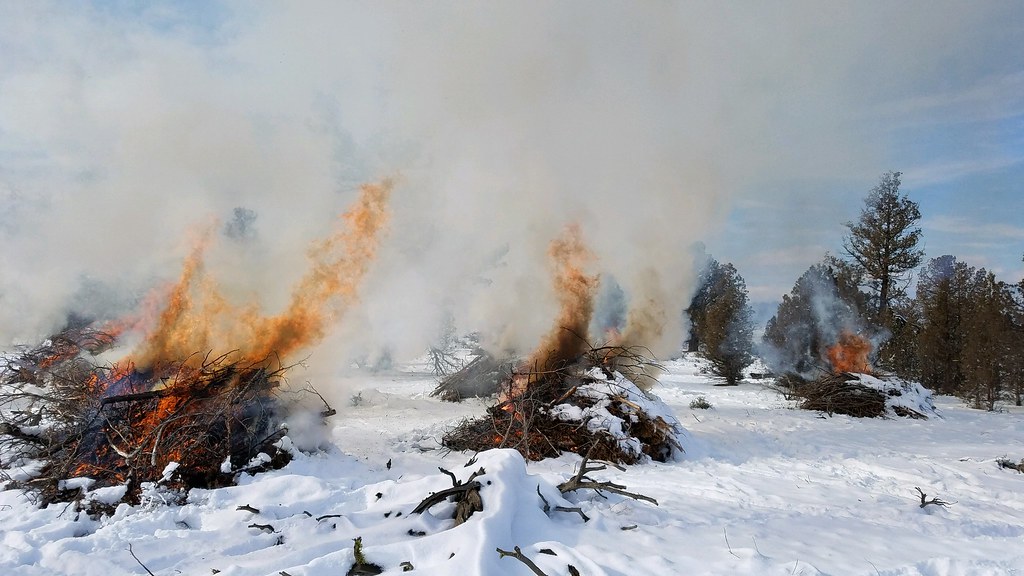
Outdoor burning in Lane County is regulated by the Lane Regional Air Protection Agency (LRAPA). Residential debris burning typically occurs from October 1 to October 31, though rules vary strictly by location, with burning being entirely prohibited within Eugene city limits.
Cleaning up the yard after the autumn rains arrive is a common ritual for homeowners across the Willamette Valley. Whether you are clearing brush in Oakridge or tidying up a lot in Junction City, understanding the local air quality and fire safety laws is essential to avoid heavy fines. For many residents, obtaining a Lane County Burn Permit or verifying legal burn days is the first step in a safe fall cleanup.
This guide is for Lane County residents and property owners who need to dispose of organic debris or manage recreational fires during the autumn months.
Who managed outdoor burning in Lane County?
The primary authority overseeing air quality and outdoor fire regulations is the Lane Regional Air Protection Agency (LRAPA). Based in Springfield, LRAPA is responsible for managing the impact of smoke on the region’s air quality and ensuring that residential and commercial burns do not create hazardous conditions for the public.
While LRAPA handles most residential and commercial burning, there are a few exceptions. Agricultural burning, forest slash burning permit ted by the Oregon Department of Forestry or the US Forest Service, and specific fire department training exercises fall under different regulatory umbrellas. For most homeowners, however, LRAPA is the agency to contact for guidance and permit ting.
When was the fall debris burning season?
In Lane County, the fall residential debris burning season traditionally ran from October 1 through October 31. There is also a spring season that typically occurs from March 1 through June 15. These windows are designed to align with weather patterns that allow smoke to disperse more effectively without posing an extreme wildfire risk.
It is important to remember that these dates were not guaranteed. Local fire districts maintained the authority to suspend burning dates or delay the start of the season if the fire danger was too high. Residents often found that a dry September could push back the start of the October window to protect the community from accidental wildfires.
Do I need a Lane County Burn Permit for my property?
Whether you needed a permit depended entirely on the size of your fire and the purpose of the burn. The regulations were broken down into three main categories:
- Residential Debris & Recreational Fires: Small fires used for recreation or minor debris cleanup generally did not require a permit, provided they stayed within specific size limits. A recreational fire was defined as being no larger than 3 feet in diameter and 2 feet in height. These fires had to use clean, dry, natural firewood or manufactured fire logs.
- Bonfires: Any fire exceeding the 3-foot diameter or 2-foot height limit was classified as a bonfire. These required a specific bonfire permit from LRAPA. We could not verify the specific permit fees or current processing times for these permits from public research, so residents were encouraged to contact LRAPA directly at 541-736-1056 for current pricing.
- Commercial and Industrial Burning: Any burning associated with construction, demolition, or industrial processes always required a permit, regardless of the season or the size of the pile.
What were the specific rules for Eugene and Springfield?
Regulations varied significantly depending on whether a property was inside or outside city limits. This often caused confusion for those living on the edge of town.
Within the Eugene city limits, outdoor burning was always prohibited. This ban applied regardless of the burn season, the size of the lot, or the type of material being burned. If you lived within the city, your only legal options for fire were typically indoor fireplaces or approved heating appliances.
For those living in the Eugene Urban Growth Boundary (UGB) but outside the city limits, burning was permit ted, but only on approved burn days during the official season (October 1-31 and March 1-June 15). These residents had to be much more diligent about checking daily advisories than those in more rural parts of the county.
How did residents verify if it was a legal burn day?
Having a permit or living in a permit ted zone was not enough; the atmospheric conditions had to be right. Residents were required to check the LRAPA advisory daily before lighting any fire. This ensured that smoke would not settle in the valley and create dangerous air quality levels.
Verification could be done through two primary channels:
- The Burning Advisory Line: Residents could call 541-726-3976 for the general advisory or 541-997-1757 for the Coastal Burning Advisory Line.
- The Official Website: The LRAPA website provided real-time updates on whether burning was permit ted for the day.
For recreational fires in the UGB, burning was strictly prohibited on days when the HWH (Hearth, Wood, and Home) advisory was yellow or red. This system helped protect vulnerable populations from poor air quality during stagnant weather patterns.
What materials were prohibited from burning?
Not all organic waste is suitable for burning. To protect the environment and reduce toxic smoke, LRAPA enforced strict rules on what could go into the fire:
- Grass Clippings: The burning of grass clippings was prohibited county-wide.
- Fallen Leaves: While leaves could be burned in some rural areas, they were strictly prohibited within the Eugene and Springfield urban growth boundaries.
- Barrels: Burning debris in barrels was prohibited throughout the county due to the risk of the barrel tipping or creating an uncontrolled concentrated heat source.
If you were transitioning your home for the season, you might also be looking at other maintenance tasks. While we covered burning here, you can also find information on How to Apply for a Lane County Dog License to keep your pets compliant with local laws.
What were the alternatives to burning debris?
Because of the strict regulations and the risk of fire, many residents opted for professional disposal services. This was especially common for those living within city limits where burning was banned. LRAPA recommended several local alternatives for organic and construction waste:
- Lane County Waste Management: Contactable at 541-682-4119 for general waste and debris disposal.
- Rexius Recycling Center: A great option for those looking to divert waste from landfills, reachable at 541-342-1835.
- Lane Forest Products: Ideal for larger loads of woody debris, reachable at 541-345-9085.
Choosing these alternatives often saved homeowners the stress of monitoring advisory lines and the risk of fines. For those who prefer the outdoors but want to avoid the hassle of permits, taking a trip to the Fall Creek Falls Trail is a great way to enjoy the autumn scenery without the worry of fire regulations.
Fall Burning Checklist
To ensure you stayed compliant with LRAPA and local fire districts, residents used the following checklist before lighting a fire:
- Location Check: Am I outside the Eugene city limits? (If inside, burning is prohibited).
- Material Check: Am I burning something other than grass clippings or leaves (if in the UGB)?
- Size Check: Is my fire larger than 3 feet wide and 2 feet high? (If yes, do I have a bonfire permit?).
- Container Check: Is my fire in a pile or pit rather than a barrel?
- Advisory Check: Did I call 541-726-3976 or check the LRAPA website today?
- Safety Check: Do I have a water source and tool nearby to extinguish the fire immediately?
- Weather Check: Is the wind calm enough to prevent embers from leaving my property?
For those who found the fall transition overwhelming, remember that local services often change this time of year. You can check the LTD Service Changes: Fall 2026 Schedule Updates to see how transit shifts might affect your trips to recycling centers or the LRAPA office in Springfield.
Frequently Asked Questions
Can I burn debris within Eugene city limits?
No, outdoor burning is always prohibited within Eugene city limits regardless of the burn season or the size of the lot.
When is the fall burn season in Lane County?
The fall burn season typically runs from October 1 through October 31, though dates may be adjusted based on fire danger.
Do I need a permit for a small recreational fire?
Recreational fires in the UGB must be no larger than 3 feet in diameter and 2 feet in height to avoid needing a bonfire permit from LRAPA.
Is it legal to burn grass clippings or leaves?
Burning grass clippings is prohibited county-wide, and burning fallen leaves is prohibited within the Eugene and Springfield urban growth boundaries.
Sources
For more information, see:
Image credits
- Featured: Photo by BLM Oregon & Washington (CC BY) via Openverse.