
Published October 8, 2026
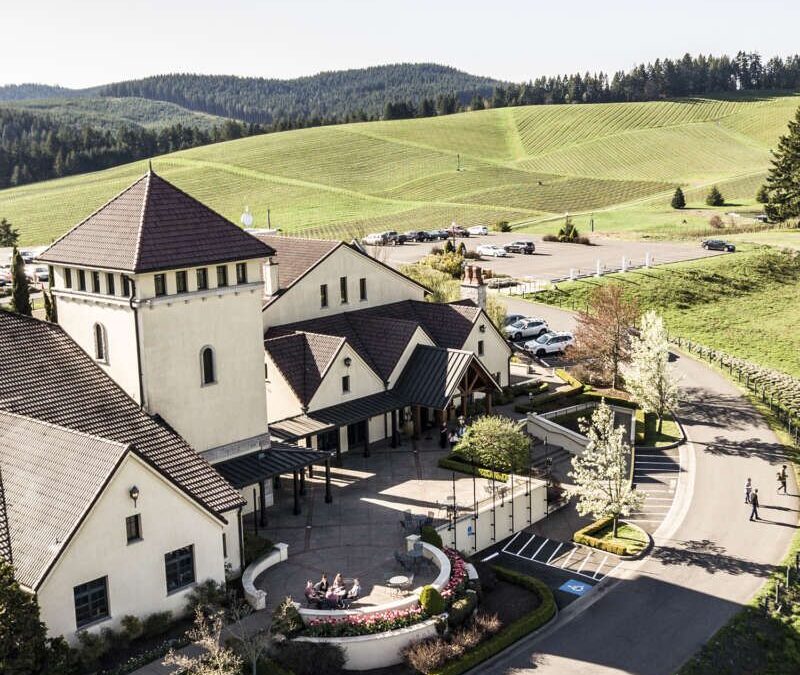
King Estate Winery is a Biodynamic-certified estate located on 1,033 acres southwest of Eugene. It features a tasting room, an on-site restaurant, and the largest Biodynamic vineyard in North America.
Perched on a scenic hilltop southwest of Eugene, there is a destination that blends large-scale viticulture with a deep commitment to the earth. For those who enjoy the intersection of agriculture and art, King Estate Winery offers a glimpse into how Biodynamic farming works on a massive scale. The estate serves as both a production powerhouse and a peaceful retreat for visitors loo king to escape the city center for a few hours.
A Legacy of Sustainable Viticulture
The story of this hilltop destination began in 1991. Founded by the King family, the winery was established with a vision that extended beyond simply ma king wine. From the start, the founders integrated a philosophy of sustainable farming into the land, viewing the vineyard not as a factory, but as a living ecosystem. Over the decades, this commitment evolved from standard sustainable practices to some of the most rigorous organic and Biodynamic certifications available in the wine world.
For locals, the estate has become a landmark of the Willamette Valley. It represents a shift in how North American vineyards approach soil health and biodiversity. Rather than relying on synthetic inputs, the family focused on building a self-sustaining environment where the land provides for the vines, and the vines contribute to the health of the surrounding landscape.
The Scale of King Estate Winery
The sheer size of the property is one of its most stri king features. Spanning 1,033 acres, the estate is far larger than the average boutique vineyard found in the region. Of that total acreage, 465 acres are dedicated specifically to vines. This scale allows the winery to produce a significant volume of wine while still maintaining a high standard of ecological care.
The vineyard’s composition is heavily weighted toward the classics of the region. Pinot Gris takes the lead with 314 acres, followed by 143 acres of Pinot Noir. The remaining acreage is dedicated to a variety of other grapes, including Muscat and Gewürztraminer. This diversity in planting helps the estate manage risk and provides a wider palette of flavors for their winemakers to explore.
Biodynamic Standards and Demeter Certification
While the estate was long recognized for its organic practices, it took a significant leap in 2016 by adopting the Biodynamic standard. This transition was not merely a change in labeling but a complete overhaul of how the farm interacts with the lunar cycle and the biological rhythms of the earth. The estate is officially certified Biodynamic by Demeter USA, the organization that oversees these strict standards in the United States.
Biodynamics treats the farm as a single, self-contained organism. To achieve this, the estate operates a massive 1,000-ton compost production system. This system is used to create specific Biodynamic preparations that nourish the soil without the use of chemical fertilizers. By focusing on the health of the soil microbiome, the winery ensures that the grapes are resilient and reflective of the specific terroir of the Eugene area.
The impact of these practices is evident in the final product. Between one-third and one-half of the grapes used in their Willamette Valley wines come directly from these estate-grown, certified Biodynamic vines, ensuring a consistent thread of sustainability in every bottle.
Beyond the Vines: Orchards and Wildlife
One of the most rewarding aspects of visiting the estate is discovering that it is much more than just a vineyard. The King family has dedicated 26 acres to a diverse array of agricultural pursuits. This area includes greenhouses, berry patches, and vibrant fields of lavender and flowers. There are also active beehives on site, which are critical for the pollination of both the vines and the surrounding flora.
Adding to the agricultural diversity is a 14-acre orchard filled with apple, pear, and plum trees. This commitment to polyculture creates a sanctuary for local wildlife. It is not uncommon to spot Northern Harriers, Hovering Kestrels, or Great Horned Owls gliding over the fields. On the ground, the estate provides a corridor for larger animals, including elk, cougar, and bear, highlighting the successful integration of commercial farming and wild habitat preservation.
The Tasting Experience and Tower Club
The tasting room is designed to take full advantage of the hilltop location, offering sweeping views of the valley below. The atmosphere is one of refined rusticism, where guests can sample the estate’s wide range of varietals. For those who want a deeper connection to the winery, the Tower Club membership provides an exclusive path to limited-production wines. These special releases are not available to the general public and can only be acquired through the club or directly within the tasting room.
Visiting the tasting room is often a highlight for those exploring the region’s wine culture. The experience is less about a quick drink and more about understanding the Biodynamic process. Staff often share insights into how the lunar calendar or the compost system influenced the vintage in the glass.
Estate-Sourced Dining at the Restaurant
The culinary experience at The Restaurant at King Estate is a natural extension of the farm’s philosophy. The menu is designed to showcase the bounty of the property, utilizing produce from the on-site greenhouses and orchards. This farm-to-table approach ensures that the ingredients are as fresh as possible, often harvested just hours before they reach the plate.
Dining here allows visitors to taste the results of the Biodynamic effort in a tangible way. Whether it is a dish featuring estate-grown berries or a pairing that highlights the acidity of the Pinot Gris, the restaurant emphasizes the connection between the soil and the palate. It turns a simple meal into an educational experience about sustainable eating.
Visiting the Hilltop Estate
Located southwest of Eugene, the estate is a peaceful drive from the city center. It serves as a great anchor for a day of exploration in Lane County, perhaps paired with a visit to Lane County Parks Shelters for a picnic or a trip to the Lane County Holiday Markets during the winter season.
When planning a trip, it is important to consider transportation. While the estate is a premier destination, we could not verify specific public transit routes via the Lane Transit District (LTD) that provide direct access to the hilltop location. Most visitors find that a personal vehicle or a rideshare is the most reliable way to reach the winery. This is a notable difference from the more frequent LTD service changes that affect commutes within the Eugene and Springfield city cores.
For those visiting during the wetter months, the drive up the hill can be an adventure in itself. Much like the experience described in our guide to Late Winter 2027 in Lane County, the landscape takes on a lush, deep green hue that makes the vineyard look like a rolling sea of emerald, provided you have a vehicle capable of handling the rural roads.
Frequently Asked Questions
What is Biodynamic certification at King Estate?
King Estate is certified Biodynamic by Demeter USA and adopted this standard in 2016 to build upon its existing organic status.
What types of grapes are grown on the estate?
The estate has 465 acres under vine, primarily featuring pinot noir (143 acres) and pinot gris (314 acres), along with muscat and gewürztraminer.
Does King Estate Winery have a restaurant?
Yes, the estate operates The Restaurant at King Estate, which serves cuisine sourced from the estate.
Sources
For more information, see: