
Published September 11, 2026
Falling Sky Brewing is a Eugene-based microbrewery founded in 2012 that focuses on local Oregon-grown ingredients and farm-to-pint sourcing. Currently owned by Stephen Such, the brewery is known for its experimental styles and community-focused initiatives like weekly charity pint nights.
Falling Sky Brewing: — Eugene, Oregon
Falling Sky Brewing: has established itself as a cornerstone of the Eugene craft beer scene by bridging the gap between the farm and the glass. With a mission rooted in the farm-to-pint philosophy, the brewery focused on utilizing local Oregon grains to create a product that reflects the terroir of the Willamette Valley. Known for the bold tagline “LET IT POUR,” the establishment became a destination for those who appreciate the intersection of sustainable agriculture and artisanal brewing.
The Legacy of Falling Sky Brewing:
The impact of Falling Sky Brewing: in Lane County extends beyond just the beverages they produce. By prioritizing local sourcing, they helped foster a stronger connection between urban consumers in Eugene and the rural farmers who grow the raw materials for their beer. This commitment to the land is not just a marketing slogan but a core operational pillar that has defined their identity for over a decade.
In the competitive landscape of Oregon microbreweries, Falling Sky Brewing: carved out a niche by avoiding the trend of over-producing standard IPAs in favor of experimental styles and high-quality, locally sourced ingredients. This approach allowed them to build a loyal following among residents who value community-centric business models and environmental stewardship.
From Valley Vintner to Falling Sky Brewing:
The origins of Falling Sky Brewing: date back to January 2012. The brewery was founded by Jason Carriere, Rob Cohen, and brewer Scott Sieber. Interestingly, the business did not start in a vacuum; it evolved from a homebrew supply shop known as the Valley Vintner. This foundation in the homebrewing community gave the founders a deep understanding of the technical aspects of brewing and a direct line to the enthusiasts who would eventually become their first customers.
Transitioning from a supply shop to a full-scale microbrewery required a significant shift in infrastructure and vision. The founders aimed to create a space where the science of brewing met the art of local sourcing. By the time they opened their doors in early 2012, they had already set their sights on becoming a hub for the Eugene community, blending professional production with a welcoming, neighborhood atmosphere.
Expanding the Footprint: Pizzeria and Pour House
As the popularity of Falling Sky Brewing: grew, the owners sought to integrate their beer with diverse culinary experiences. In July 2013, they expanded their reach with the opening of the Pour House Delicatessen. This move allowed them to pair their local brews with a curated food menu, enhancing the overall visitor experience and diversifying their revenue streams.
The expansion did not stop there. The business further integrated itself into the local culture by opening the Falling Sky Pizzeria on the University of Oregon campus. This strategic location brought the brand closer to a younger demographic and the academic community, ensuring that their farm-to-pint mission reached a wide cross-section of Eugene residents and students. This multi-pronged approach to hospitality turned the brand into more than just a brewery; it became a versatile dining and social network across the city.
A Pandemic Transition for Falling Sky Brewing:
The year 2020 brought an abrupt and challenging transition for the business. Stephen Such acquired Falling Sky Brewing: during the height of the global pandemic. In a stroke of timing that tested the resilience of the new owner, the very week Such received the keys to the business was the same week the Governor of Oregon implemented strict no-dining service restrictions.
Navigating a business acquisition during a public health crisis required immense adaptability. The transition period was marked by the need to pivot quickly to takeout and delivery models while maintaining the quality and community spirit that the brewery was known for. Despite these initial hurdles, the leadership under Stephen Such worked to stabilize the operations and ensure that the commitment to local farmers remained intact even when the taprooms were quiet.
Farm-to-Pint and the Cheers to the Land Program
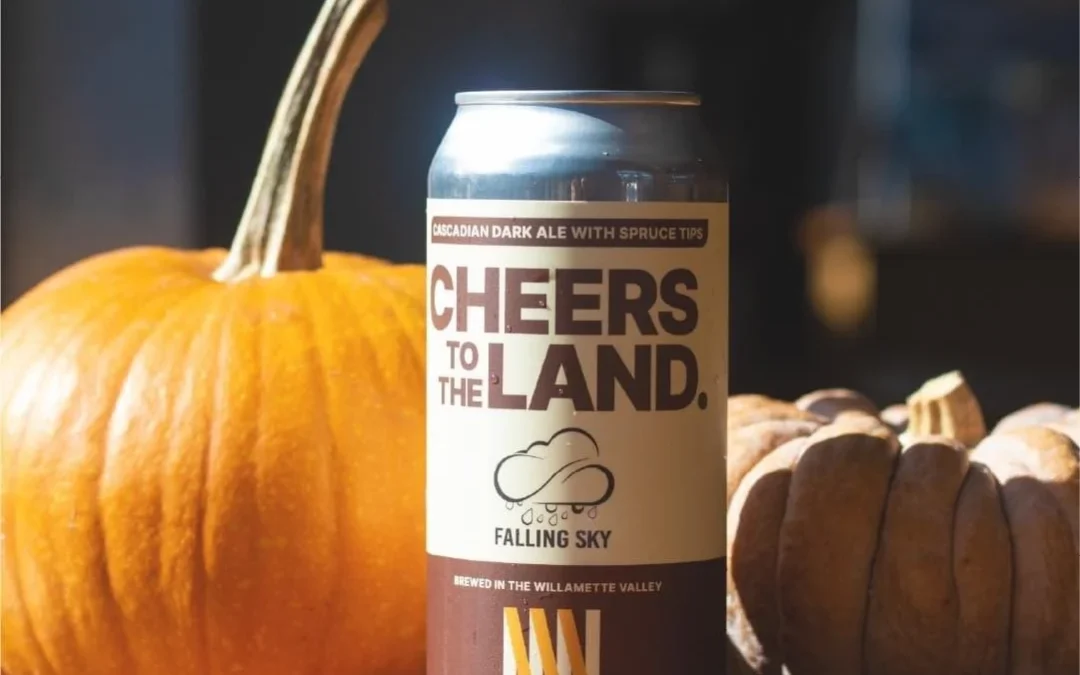
A defining characteristic of Falling Sky Brewing: is its unwavering commitment to the Cheers to the Land program. This annual initiative encourages breweries to use ingredients grown in Oregon, highlighting the state’s agricultural diversity. The brewery has participated in this program every year, showcasing the viability of local grains over imported alternatives.
One of the most notable examples of this commitment is their Cascadian Dark Ale. In a nod to the Pacific Northwest wilderness, Falling Sky Brewing: incorporated spruce tips into this brew, adding a resinous, forest-like quality that complements the roasted malts. This practice of using wild-harvested or locally farmed additions is a hallmark of their experimental approach. By sourcing these ingredients locally, they reduce the carbon footprint of their supply chain and provide a direct economic benefit to Oregon growers.
Beyond the Beer: Community and Menu Variety
While the beer is the draw, the culture at Falling Sky Brewing: is what keeps locals returning. The brewery hosts a charity pint night every Tuesday, where a portion of the proceeds is donated to local charities. This tradition reinforces their role as a community-focused business that gives back to the city that supports it.
The beverage menu also reflects a conscious effort to move away from the “IPA-dominant” trend seen in many modern craft breweries. While they do offer IPAs and hazies, they intentionally limit the selection to only one of each. This creates space on the tap list for more experimental styles and a wider variety of options for those who do not enjoy hoppy beers. To further inclusivity, they have expanded their offerings to include a range of cocktails, mocktails, and non-alcoholic options, ensuring that everyone in the group has something to drink regardless of their alcohol preference.
Visiting Falling Sky Brewing: in Eugene
Visiting Falling Sky Brewing: offers a glimpse into the heart of Eugene’s independent spirit. The atmosphere is typically relaxed and welcoming, reflecting the “Just Local” vibe of the city. Whether visiting the main brewery or the campus pizzeria, the focus remains on quality and community.
We could not verify current specific operating hours or a full, up-to-date menu for the Pizzeria and Pour House locations from public sources. Visitors are encouraged to check their official channels or use a tool like the Thriving Oregon Listing Assistant to find the most recent updates. For those navigating the city, it is worth noting that LTD service changes often occur during the transition to fall, so checking transit schedules is recommended when planning a trip to the brewery.
If you are spending a day exploring the local beverage scene, Falling Sky Brewing: pairs well with a visit to other urban spots. For instance, the Eugene Urban Winery: Territorial Vineyards Recap highlights another side of the city’s drink culture, offering a great contrast to the grain-focused approach of the brewery.
For those who enjoy the outdoors before their pint, a trip to the Fall Creek Falls Trail provides a serene escape into the Middle Fork area, mirroring the same appreciation for Oregon’s natural beauty that Falling Sky Brewing: brings to its brewing process.
Frequently Asked Questions
Who owns Falling Sky Brewing?
Stephen Such purchased the brewery in 2020 during the pandemic.
What makes Falling Sky Brewing’s beer selection unique?
They offer a range of experimental styles and non-alcoholic options, but intentionally limit their selection to only one IPA and one hazy IPA.
How does the brewery support the local community?
Falling Sky hosts a pint night every Tuesday that gives back to local charities.
What is the brewery’s connection to Oregon agriculture?
They participate in the Cheers to the Land program annually, which has included brewing a Cascadian Dark Ale with spruce tips.
Sources
For more information, see: