
Published October 14, 2026
Eugene Springfield Fire provides extensive public education on smoke alarm types and placement to keep residents safe. While they offer safety guidance and code requirements, there is no explicitly listed program in current public records for providing free alarms to all residents.
This guide is for Eugene homeowners, renters, and residents who are renovating older properties and want to ensure their homes meet current safety standards.
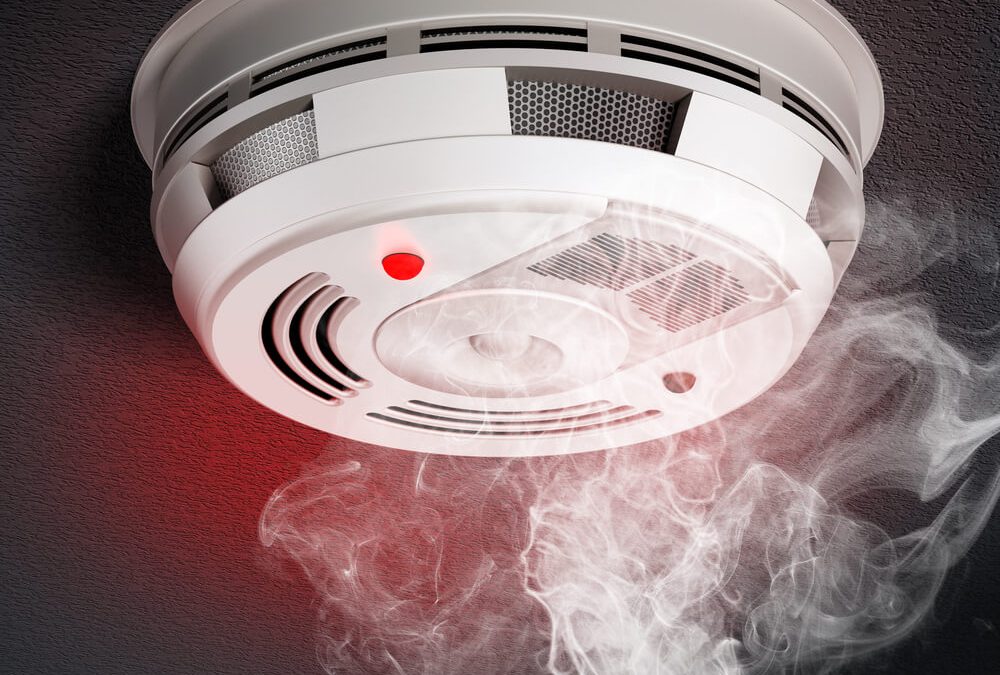
Ensuring your home is equipped with working detectors is one of the most effective ways to prevent tragedy. In our community, the Eugene smoke alarms guidelines are managed through a combination of public education from Eugene Springfield Fire and strict building codes enforced by the city. Whether you are moving into a new place or updating an old one, understanding where and how to install these devices can save lives.
Who needs help with Eugene smoke alarms?
Anyone living in a residential dwelling in Lane County should periodically review their fire safety setup. This is especially critical for those living in older homes that may not have been built with modern interconnected systems. Renters should verify that their landlords have provided functioning alarms in all required areas, while homeowners should be aware that certain renovations trigger mandatory upgrades to their detection systems.
Eugene Springfield Fire plays a vital role in this process by providing public education. They work with a wide range of community members, from preschool children to local service providers, to ensure that early detection is a priority in every household. Because smoke can be undetectable while you sleep, having the right equipment in the right place is the only way to ensure a safe exit during an emergency.
Can I get a free smoke alarm from the city?
Many residents search for programs that provide free equipment to help low-income families or seniors. It is important to be clear about current availability to avoid frustration. Based on current public records, we could not verify a universal, ongoing program that provides free smoke alarms to all residents through the city. While Eugene Springfield Fire offers extensive safety education and guidance on how to choose the right devices, they do not explicitly list a permanent giveaway application on their public portals.
Because program funding and partnerships can change, we recommend contacting Eugene Springfield Fire directly to see if any temporary grants or specific assistance programs are available for your neighborhood. If you are a renter, your landlord is generally responsible for ensuring the property meets the safety requirements of the Oregon Residential Specialty Code.
What are the different types of alarms available?
Not all detectors are created equal. Depending on the type of fire, different sensors react at different speeds. Understanding these differences helps you choose the best protection for your specific layout.
- Ionization Alarms: These are generally more responsive to fast-flaming fires.
- Photoelectric Alarms: These are typically quicker at sensing smoldering fires, which often produce more smoke before a flame erupts.
- Combination Dual Sensors: These units combine both technologies to provide the broadest range of protection.
- Specialized Alarms: For individuals with hearing disabilities, the city recognizes the importance of alarms equipped with strobe lights or vibration pads to ensure everyone is alerted.
Where is the best place to install my alarms?
Placement is just as important as the type of alarm you buy. A detector in the wrong room may not alert you in time to escape. The general recommendation from fire safety experts is to place alarms in the following locations:
- Every Sleeping Room: Each bedroom should have its own alarm to wake occupants immediately.
- Immediate Vicinity of Bedrooms: A detector should be placed in the hallway or area just outside the sleeping rooms.
- Every Level of the Home: This includes the main floor, upper stories, and the basement.
What are the legal requirements for Eugene smoke alarms?
In Eugene, the installation of smoke alarms is governed by the Oregon Residential Specialty Code (2017 Edition), specifically Section R314. You do not necessarily need to rewire your entire house just because the code updated, but certain triggers make installation mandatory.
Installation is required when you engage in:
- New construction of a dwelling.
- Applying for structural permits for the alteration, repair, or addition of an existing building.
- Adding or creating one or more sleeping rooms in an existing home.
The code also specifies how the alarms must be powered. In new construction, alarms must be hardwired to the home’s primary power and interconnected, meaning if one goes off, they all go off. For existing homes undergoing alterations, battery-powered alarms are acceptable as long as the work does not involve removing interior wall or ceiling finishes. If you choose a battery-only unit, it must have a battery life of at least 10 years to meet safety standards.
Where should I avoid installing a detector?
Installing a detector too close to a source of steam or cooking fumes can lead to frequent false alarms, which often tempts people to disable the device entirely. To prevent this, follow these distance requirements:
- Kitchens and Garages: Alarms should not be located inside these areas.
- Temperature Extremes: Do not install detectors where temperatures fall below 40 degrees Fahrenheit.
- Cooking Appliances: Ionization alarms must be at least 20 feet away from cooking appliances (this can be reduced to 10 feet if the alarm has a silencing switch). Photoelectric alarms must be at least 6 feet away.
How can I get more fire safety education?
Beyond smoke alarms, Eugene Springfield Fire provides a variety of public education programs. These are designed for different age groups and community organizations to build a culture of safety. Their curriculum covers essential topics such as carbon monoxide detection, the dangers of candles, and safe fireworks usage during holidays.
For families with young children, the agency offers specific programs tailored for preschool through 2nd grade. Community organizations and service providers can also request individualized programs to help their members stay safe. If you are updating your home’s safety features, you might also consider other home maintenance tasks, such as learning how to schedule a Lane County household hazardous waste drop-off to remove old chemicals or paints that could pose a fire risk.
Smoke Alarm Installation Checklist
Use this checklist to ensure your home is protected and meets local guidelines. If you need to visit city offices like Eugene Planning & Development at 99 W. 10th Avenue to discuss permits, remember to check the LTD service changes for Fall 2026 to plan your transit route.
- [ ] One alarm installed inside every bedroom.
- [ ] One alarm installed in the hallway outside the sleeping area.
- [ ] One alarm on every level of the home, including the basement.
- [ ] Alarms are at least 6 to 20 feet away from cooking appliances.
- [ ] No alarms are installed in the garage or kitchen.
- [ ] Battery-only alarms have a certified 10-year battery life.
- [ ] Alarms are tested monthly using the test button.
- [ ] Batteries are replaced annually (unless using 10-year sealed units).
Frequently Asked Questions
Where should I install smoke alarms in my home?
It is recommended to place smoke alarms in every sleeping room, on every level of the home (including the basement), and outside each sleeping area.
What is the difference between ionization and photoelectric alarms?
Ionization alarms generally respond faster to flaming fires, while photoelectric alarms are quicker at sensing smoldering fires.
Are battery-powered smoke alarms allowed in Eugene?
Yes, battery-powered alarms are acceptable when alterations do not remove interior wall or ceiling finishes, provided they have at least a 10-year battery life.
Where should I avoid placing a smoke alarm?
Alarms should not be located in kitchens, garages, or areas where temperatures drop below 40°F.
Sources
For more information, see:
Image credits
- Featured: Photo by Internet Archive Book Images (NO RESTRICTIONS) via Wikimedia Commons.