Eugene Bike Infrastructure is expanding across Eugene, Oregon as the City of Eugene moves forward with a targeted improvement project for Polk Street. The city has decided to implement significant safety and accessibility upgrades along the Polk Street corridor between 2nd Avenue and 18th Avenue. This initiative is funded through the voter-approved 2022 Street Repair Bond Measure, which provides the necessary capital to modernize road surfaces and enhance non-vehicular transit options for residents and visitors in the area. By focusing on this specific stretch of road, the city aims to create a more cohesive and safer environment for cyclists navigating the urban core.
Eugene Bike Infrastructure Funding for Polk Street
The decision to prioritize Polk Street stems from a need to bridge gaps in the current city transit map. According to the Polk Street Engagement Report, the funding allocated from the 2022 Street Repair Bond Measure is designed to address both the physical condition of the road and the safety of those using it. The project focuses on the segment of Polk Street that runs from 2nd Avenue to 18th Avenue, ensuring that the route is viable for daily commuters and recreational riders alike.
For many Lane County residents, the goal of this project is to reduce the friction between vehicle traffic and cyclists. By utilizing bond funds, the city can implement permanent structural changes rather than temporary paint-only solutions. This investment reflects a broader commitment to diversifying how people move through Eugene, reducing reliance on single-occupancy vehicles, and improving the overall quality of life for those living near the Polk Street corridor. It also signals how seriously the city treats Eugene Bike Infrastructure as a long-term public investment.
Planned Improvements and Buffered Bike Lanes
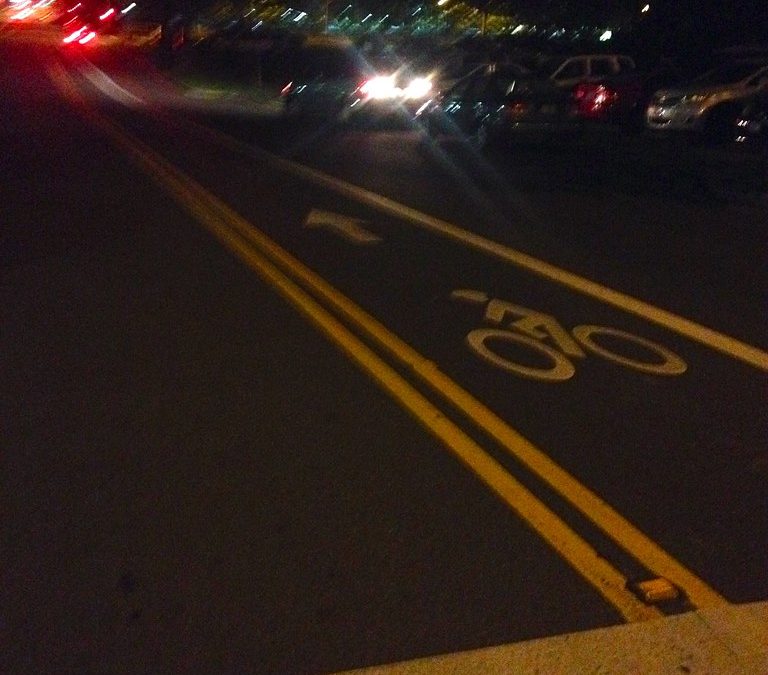
A central component of the Eugene Bike Infrastructure upgrades is the installation of buffered bike lanes. These lanes provide a dedicated space for cyclists, separated from moving vehicle traffic by a painted buffer zone, which significantly increases the perceived and actual safety of the rider. The city has decided to install these buffered lanes on Polk Street from 18th Avenue up to the alleyway located between 6th and 5th Avenues. To make room for these safety buffers, the city will remove on-street parking in this specific section from 18th Avenue to the 5th/6th Avenue alley.
However, the city is taking a nuanced approach to parking to balance the needs of local businesses and residents. On-street parking will remain intact on Polk Street between 2nd Avenue and the 5th Avenue alley. This ensures that the westernmost portion of the project maintains its current parking capacity while the eastern portion prioritizes high-capacity, safe cycling transit. This hybrid approach allows the city to implement critical Eugene Bike Infrastructure without completely eliminating parking access in the more densely packed residential and commercial blocks near 2nd Avenue.
Neighborhood Greenway Elements and Pavement Repairs
In the areas where buffered lanes are not feasible, the city is implementing neighborhood greenway elements. Between 2nd Avenue and the 5th Avenue alley, the city plans to introduce a variety of traffic-calming and safety measures. These may include:
- Sharrows to indicate shared use of the road between cars and bikes.
- New signage to alert drivers to the presence of cyclists.
- Speed cushions to reduce vehicle velocity in residential zones.
- Traffic circles to manage intersection flow and slow down turning vehicles.
Beyond the cycling-specific additions, the project addresses the general degradation of the roadway. The city plans to repair areas of poor pavement along the entire length of Polk Street from 2nd Avenue to 18th Avenue as part of the overall corridor improvement. Smooth pavement is not just a convenience for drivers; it is a critical safety requirement for cyclists, as potholes and cracks can cause accidents or force riders out of their designated lanes and into traffic.
Connecting the Eugene Bike Infrastructure Network
The Polk Street project is not an isolated improvement but a strategic link in the broader Eugene Bike Infrastructure network. Polk Street serves as a vital connector to existing bike lanes on 2nd Avenue, 13th Avenue, and 18th Avenue. By filling this gap, the city creates a more seamless transition for riders moving between these major east-west arteries.
Additionally, the corridor connects to other bike-friendly streets such as 5th Avenue, Broadway, and 12th Avenue. One of the most critical geographic advantages of Polk Street is its access to the Amazon Creek crossing. According to city planning documents, Polk Street is one of only three streets in the immediate area with a bridge to cross Amazon Creek, alongside Chambers Street and Jefferson Street in the local area. This makes the street an essential bottleneck for anyone trying to cross the creek without taking a significant detour.
Furthermore, the project enhances the connection to the Fern Ridge shared use path near 16th Avenue. This allows cyclists to transition from the urban street grid to a dedicated regional path, expanding their reach beyond the city center. For those who enjoy exploring further, this connectivity mirrors the accessibility found in other regional spots like the Brice Creek Trails, where dedicated paths allow for safer outdoor recreation.
Fern Ridge Path Crossing and Safety Upgrades
A specific point of concern for the city was the intersection where the Fern Ridge Path crosses Polk Street. To improve safety at this high-traffic junction, the city has planned several targeted upgrades. These improvements are designed to increase visibility and alertness for both motorists and cyclists.
The planned safety upgrades include:
- Installation of new, high-visibility signage.
- Fresh striping to clearly mark the crossing zone.
- Enhanced street lighting to ensure the crossing is visible during evening and early morning hours.
- Strategic removal of vegetation to improve sight lines, ensuring that drivers can see approaching cyclists and vice versa before they reach the intersection at the Fern Ridge crossing.
These changes address the “blind spot” issues often found in urban-to-trail transitions, making the Eugene Bike Infrastructure more reliable for users of all ages and skill levels.
Community Engagement and Construction Timeline
The development of the Polk Street plan was a collaborative process. Public engagement began in late 2025 and concluded in March 2026, with a final engagement report published in May 2026 to summarize community feedback. This period allowed residents to voice concerns regarding parking and traffic flow, which influenced the decision to keep parking between 2nd Avenue and 5th Avenue. The outreach phase also helped refine the overall Eugene Bike Infrastructure design before final approval.
To keep the community informed of the final decisions, the city held a community meeting on Tuesday, July 14, 2026, from 6:00pm to 7:00pm at The Faith Center, located at 1410 13th Avenue. This meeting provided a forum for residents to see the final plans and ask questions about the construction phase.
Residents should prepare for construction to begin in the near future. The City of Eugene has scheduled the construction window for the Polk Street project for spring or summer 2027 during the 2027 season. During this time, motorists and cyclists should expect temporary detours and lane closures as the buffered lanes and pavement repairs are implemented.
Navigating Local Lane County Projects
Staying informed about Eugene Bike Infrastructure and other public works is essential for anyone living or working in Lane County. Infrastructure projects often overlap, and understanding the timeline for one can help you plan for others. For example, while the city focuses on street-level transit, other major projects are happening simultaneously, such as the Eugene Airport Expansion Plans, which also involve public comment periods and long-term planning for the region’s growth.
Whether it is a new bike lane on Polk Street or a change in airport accessibility, these projects shape how we interact with our environment. We encourage residents to regularly check the Engage Eugene portal and city council meeting minutes to stay updated on how tax dollars from bond measures are being spent to improve our local community.
By integrating safer crossings, smoother roads, and dedicated lanes, the city is ensuring that the Eugene Bike Infrastructure remains a world-class system that supports the health and mobility of all Lane County residents.
Sources
For more information and the most current schedules, please visit the official festival resources: