
Published November 1, 2026
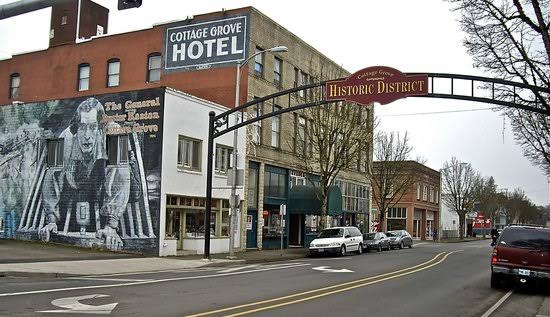
Davis Family Restaurant served as a community staple within the Cottage Grove Downtown Commercial Historic District. The establishment operated in a region recognized for its historic preservation efforts and 19th-century roots.
For many years, the Davis Family Restaurant acted as more than just a place to eat; it was a social anchor for the people of Cottage Grove. In a town where community ties run deep, the diner provided a space where neighbors met for breakfast and visitors found a welcoming introduction to the area. This establishment represented the quintessential small-town experience, blending simple hospitality with a deep connection to the local identity of Lane County.
A Legacy of Cottage Grove Dining
The role of the Davis Family Restaurant in Cottage Grove dining was defined by its consistency and its presence in the heart of the city. While many businesses come and go, the restaurant remained a steady fixture, mirroring the resilience of the town itself. Locals often viewed the diner as a gathering place where the news of the day was shared over coffee and plates of hearty food. This kind of community-centric atmosphere is what helped the restaurant transition from a simple business to a local landmark.
The legacy of the restaurant is tied closely to the growth of the region. As Cottage Grove evolved from a pioneer settlement into a hub for the timber and rail industries, the diner served as a resting point for workers and travelers alike. It captured a specific era of Oregon life, where the pace was slower and the interactions were more personal. Even as the town modernized, the restaurant maintained a spirit of tradition that appealed to those seeking an authentic taste of the Willamette Valley.
The Historic Downtown Commercial District
The restaurant was situated on Main Street, the primary artery of the city’s commercial life. This location placed it squarely within the Cottage Grove Downtown Commercial Historic District. This district spans the area of Main Street between the Coast Fork Willamette River and Ninth Street, serving as a living museum of the town’s architectural and economic history.
The significance of this area was formally recognized when it was listed on the National Register of Historic Places. The certification, dated December 15, 1993, highlighted the district’s importance in preserving the visual and cultural history of the region. The buildings in this zone, including the sites associated with the restaurant, reflect the commercial ambitions of the late 19th and early 20th centuries. By maintaining these structures, the city ensured that the story of its early merchants and entrepreneurs remained visible to future generations.
Preserving the Spirit of Lane County
The preservation of the downtown area was not an accidental occurrence but the result of a concerted effort by local historians and academic partners. In the early 1990s, a comprehensive survey and inventory project was launched to document the historic resources of the city. This initiative was partially funded under the National Historic Preservation Act of 1966 through the U.S. Department of the Interior and the National Park Service.
This project saw a unique collaboration between the City of Cottage Grove, the Cottage Grove Historical Society, and the University of Oregon Historic Preservation Program. In August 1992, historic preservation consultant Kenneth J. Guzowski of Eugene prepared the Cottage Grove Historic Context Statement. This document provided the necessary framework to understand how the downtown commercial district contributed to the broader narrative of Lane County. The work involved extensive research and volunteer labor, ensuring that the architectural integrity of Main Street was recorded and protected.
Atmosphere and Community Connection
Walking into the Davis Family Restaurant felt like stepping back into a simpler time. The classic diner aesthetic, characterized by functional seating and a warm, unpretentious vibe, complemented the surrounding historic architecture. It was the kind of place where the staff knew the regulars by name and the atmosphere was defined by friendly chatter and the smell of grilled breakfast meats.
This welcoming environment made the restaurant a perfect companion to other local activities. For instance, visitors who spent their morning exploring the Mount June Trail: A Quiet Hillside Walk in Cottage Grove often found their way to the downtown area for a meal. The transition from the quiet, scenic heights of the hillside to the bustling, social environment of the diner provided a complete experience of what it means to visit Cottage Grove.
We must note a gap in the available historical records: while the restaurant is recognized as a local landmark within the historic district, specific menu items and current operating hours were not available in the provided historical preservation records. This highlights the difference between the architectural history of a building and the daily operational history of the business inside.
Practical Details and Local Access
Accessing the historic downtown area has historically been straightforward, with Main Street serving as the central hub. For those visiting from outside the city, navigating the local roads is generally simple, though it is always wise to consult Lane County Road Maps: How to Find Closures to avoid any unexpected detours or construction delays that can occur in the valley.
For residents and visitors relying on public transit, the transition between seasons often brings changes to the local commute. Those traveling into Cottage Grove from Eugene or Springfield have had to stay mindful of LTD Service Changes: Fall 2026 Schedule Updates to ensure their arrival times aligned with the restaurant’s peak hours. The ability to reach the downtown core via transit has historically supported the viability of these small businesses by bringing in a diverse crowd of patrons.
Visiting the Heart of Cottage Grove
A visit to the Davis Family Restaurant was rarely a standalone trip. Instead, it was usually part of a larger exploration of the downtown commercial district. After a meal, visitors could take a short walk to see other remnants of the city’s past. One such landmark is the Old City Hall, located on South 6th Street, which stands as a testament to the civic organization of the early town.
The experience of visiting the restaurant was intertwined with the visual history of the town. From the views of the Coast Fork Willamette River to the vintage storefronts of Main Street, the entire area felt cohesive. The restaurant served as the social heart of this experience, providing the nourishment and conversation that fueled a day of historical discovery.
As we look back on the role of the Davis Family Restaurant, it is clear that its value extended beyond the food it served. It was a keeper of local stories and a practitioner of the neighborly spirit that defines Lane County. By existing within a protected historic district, the restaurant and its neighbors continue to remind us of the importance of preserving the spaces where community is built.
Frequently Asked Questions
Where is Davis Family Restaurant located?
It is located within the Cottage Grove Downtown Commercial Historic District, which spans Main Street between the Coast Fork Willamette River and Ninth Street.
What is the history of the area surrounding the restaurant?
The surrounding district was part of a historic survey and inventory project funded under the National Historic Preservation Act of 1966 and certified in the National Register on December 15, 1993.
Who contributed to the preservation of Cottage Grove’s downtown?
The City of Cottage Grove, the Cottage Grove Historical Society, and the University of Oregon Historic Preservation Program all participated in the historic survey and inventory project.
Sources
For more information, see: